How to Check Provenance Before Buying Mid-Century Furniture
A chair can look mid-century without documented evidence for the maker or production period named in a listing. “In the style of,” “attributed to,” “designed by” and “manufactured by” make different claims. Before paying a collectible price, decide which claim matters to you and what evidence would support it. A recognizable silhouette or a label photographed without context is a clue, not a complete ownership history.
Contents
- What question should you ask the seller first?
- Which documents are most useful?
- What can physical inspection add?
- How do you compare a piece with a documented example?
- When is an independent specialist worthwhile?
- What should your purchase file contain?
Key takeaways
- Ask for the exact wording of the claim.
- An invoice that identifies the object, a dated photograph showing distinctive details, a maker's product sheet, an estate inventory or a well-documented exhibition record may each add a link.
- Inspect the whole piece, not just its best-known angle.
- Find a primary product catalogue, manufacturer archive or museum collection record with a sufficiently described example.
- If the price relies on a named designer, rare production period or untouched condition, consider a furniture historian, conservator or appraiser who can explain their evidence and limits.
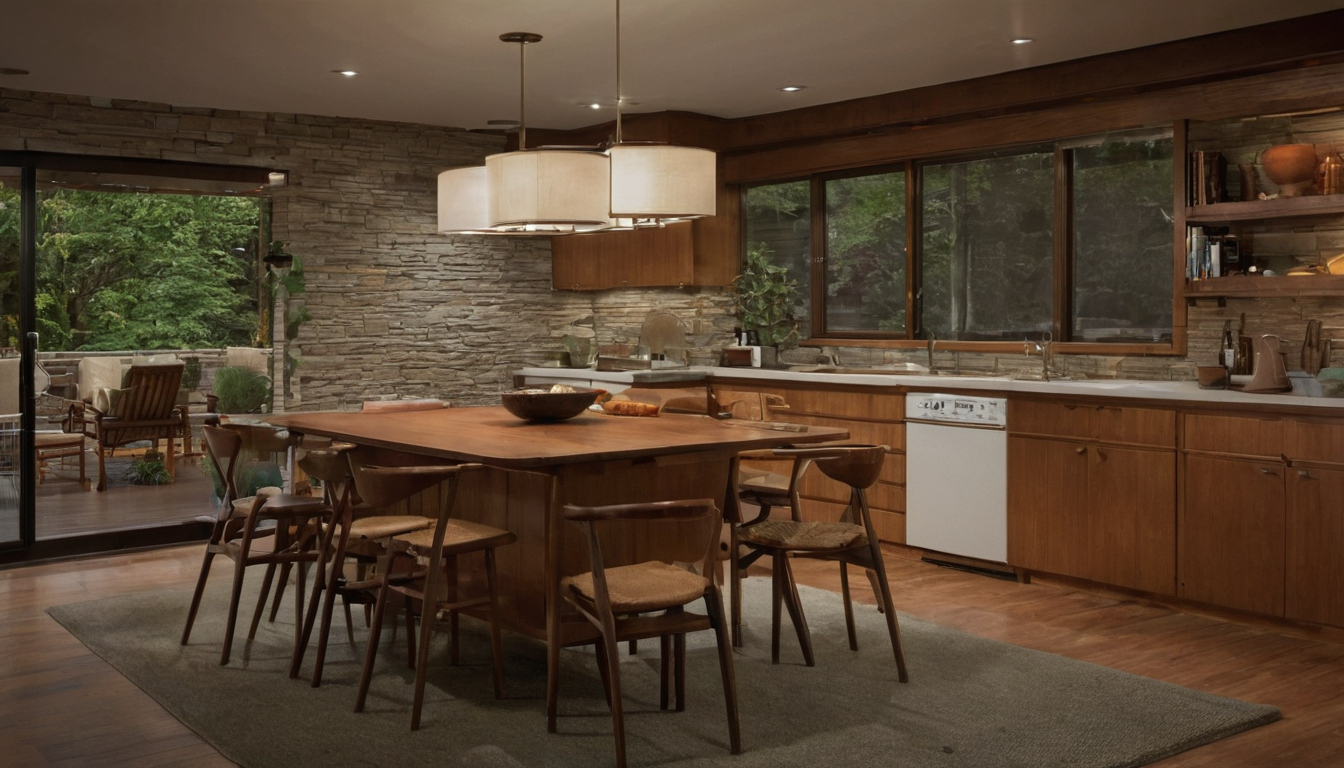
How to Verify Provenance Before Buying Collectible Mid-Century Furniture.
Provenance research treats an object's origin and ownership history as something built from evidence rather than assumed from appearance. Museum researchers compare sale catalogues, personal papers, inventories, marks, stickers, inscriptions and other records to establish that history. This method offers a useful model for buying furniture, but it cannot authenticate a particular chair by itself. The buyer must connect the evidence to the actual object being sold.
What question should you ask the seller first?
Ask for the exact wording of the claim. Is the seller identifying a designer, the firm that made the piece, an approximate production period, the first owner, or the originality of upholstery and hardware? A design can remain in production after its introduction, and an older frame may carry later fabric or replacement parts. Keep those facts separate rather than compressing them into “original mid-century.”
Request the object's full dimensions, detailed photographs and any recorded model or serial information. Ask when and from whom the seller acquired it, whether invoices or estate records exist, and what restoration has been done. A seller may legitimately know only the recent part of a history. Mark unknown earlier ownership as a gap, not automatically as proof of deception or a date to fill by guesswork.
What is provenance in collectible mid-century furniture.
Write down the answer exactly as the seller gives it. If a listing says “possibly by” while an invoice later says “by,” ask what new evidence justified the stronger claim. Preserve the original listing and correspondence so the basis for the purchase stays clear if attribution changes later. Once you separate what the seller states from what they infer, the next step is finding out which documents could back up those statements.
Which documents are most useful?
An invoice that identifies the object, a dated photograph showing distinctive details, a maker's product sheet, an estate inventory or a well-documented exhibition record may each add a link. Compare names, dates, measurements and identifying marks across documents. A receipt with a generic description such as “lounge chair” carries less weight than one that identifies a model and matches the piece. A document belonging to a similar chair is not automatically evidence for this chair.
The Brooklyn Museum explains that provenance research works backward from known ownership and considers documents, marks, photographs and construction. Follow that logic in a modest buyer's file: current seller, previous owner if known, acquisition date and source, then earlier evidence. Do not present a continuous chain when one or more transfers are missing.
Which documents establish valid provenance for mid-century furniture.
Photographs prove valuable when they show details that tie a document to this exact object: a distinctive repair, unusual upholstery pattern, matching grain or identifiable base. Check whether the photo date is known and whether it really depicts the item being sold. A family photograph can corroborate long ownership, but it may not prove the original manufacture date or maker. Documents and photographs tell a story on paper; physical inspection tests whether the object itself agrees with it.
What can physical inspection add?
Inspect the whole piece, not just its best-known angle. Record labels, stamps, underside and rear views, joints, finish, upholstery, fasteners and signs of repair. Photograph marks in place before drawing conclusions about them. A mark might identify a maker, distributor, retailer, restorer or owner. Its meaning has to be checked against documented examples and the rest of the object.
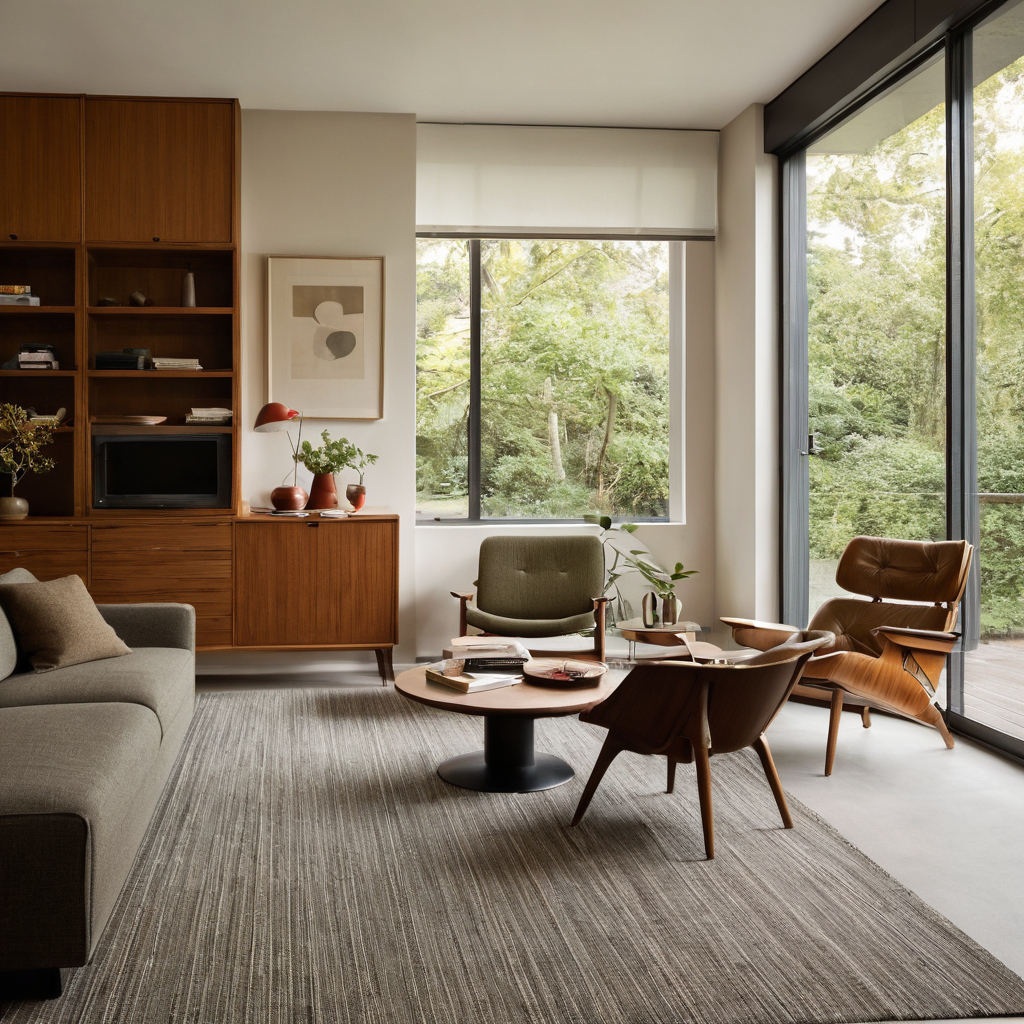
How to physically authenticate mid-century furniture materials and joinery.
Ownership histories are often incomplete, and provenance research can help with questions of authentication. That is a reason to preserve uncertainty, not to substitute physical clues for records. A dovetail joint, screw profile, weld or veneer layer should never be used alone to assign a precise decade or manufacturer. Repairs and later production variants can alter what is visible.
Examine condition as a separate buying question. A well-documented frame can still be unstable; a comfortable chair with an undocumented history can still serve as furniture. Note loose joints, replaced cushions, refinishing and missing parts. Ask the seller to identify what is original and what was changed. If the purchase price depends on untouched condition, request independent assessment before committing. Physical clues become far more useful when placed next to a verified reference example.
How do you compare a piece with a documented example?
Find a primary product catalogue, manufacturer archive or museum collection record with a sufficiently described example. Compare dimensions, proportions, materials, base, hardware and label position. Record both matches and mismatches. A single catalogue photograph may show only the front, so it cannot validate the underside of the item in front of you. Use several independent records when available.
Where do mid-century furniture forgeries typically fail inspection.
Be careful with online listings. Several sellers may repeat one unverified attribution, making the claim appear established without adding evidence. A dealer's description can tell you what to investigate but is not the same as a dated manufacturer record. If the documented model has several variants, ask which variant your item is supposed to be and whether the differences are expected or suggest replacement parts.
Do not assume a maker kept a complete archive of every production order or label change. Availability of records varies. If a manufacturer or rights holder offers a verification service, ask what it actually verifies and whether it can connect a statement to this individual object. “Model consistent with” is a narrower conclusion than “manufactured in a specific year for the first owner.” When the comparison reveals gaps you cannot close yourself, an outside perspective may clarify what remains uncertain.
When is an independent specialist worthwhile?
If the price relies on a named designer, rare production period or untouched condition, consider a furniture historian, conservator or appraiser who can explain their evidence and limits. Ask what documents they will review and whether they will inspect the physical object. A valuation report and an authentication opinion answer different questions; establish which you need before paying for either.
Request a written conclusion that separates observation, source comparison and inference. It should state what remains uncertain. Avoid a report that simply repeats the seller's listing with more confident language. For a high-value purchase, include attribution and condition terms in the sale agreement if appropriate; discuss contract wording with a qualified adviser rather than relying on an article for legal protection. Any advice you receive should ultimately feed into a permanent record you control.
Who provides independent provenance verification for collectible furniture.
What should your purchase file contain?
- The exact claim in the listing and any later written clarification from the seller.
- Full photographs of the piece, including marks, repairs and underside details.
- Documents linked to the specific object, with dates and the identity of each source.
- A comparison sheet showing matches and differences from reliable catalogue or collection records.
- A condition record and a list of known replacements or refinishing.
- An independent opinion, if the price depends on an attribution that the available record cannot establish.
The final decision can be “documented,” “consistent with,” “attributed to” or “unresolved,” depending on the evidence. Buying an unresolved piece for its design and utility is a valid choice when the price reflects that uncertainty. Paying a collectible premium calls for a stronger chain than a familiar shape, a single label or a story repeated across listings.

What is the step-by-step provenance verification workflow before purchase.
For collectors planning long-term care alongside documentation, the National Park Service publishes a Museum Handbook that provides guidance for collections preservation, documentation, access, and use. While intended for institutional settings, its conservative approach to handling and recording objects offers a practical baseline for anyone maintaining a private archive of furniture history.
Finishes and treatments applied during restoration interact with indoor environments. The U.S. Environmental Protection Agency identifies paints, varnishes, waxes, cleaning products, building materials, and furnishings as common indoor sources of volatile organic compounds, and recommends increasing ventilation when using products that emit them indoors. Documenting which coatings were applied, and when, protects both the provenance record and the room where the piece will live.
For more on this topic, see other guides on this site.